The tool a liquid feed is actually applied with
Pressure sprayers, compared
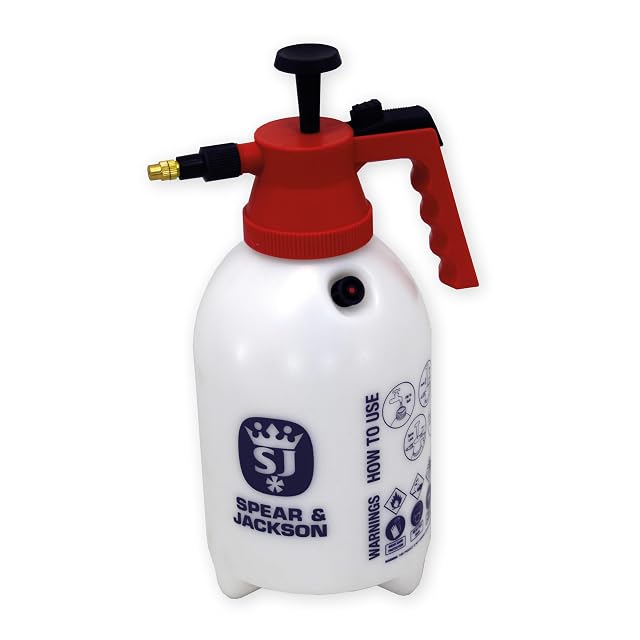
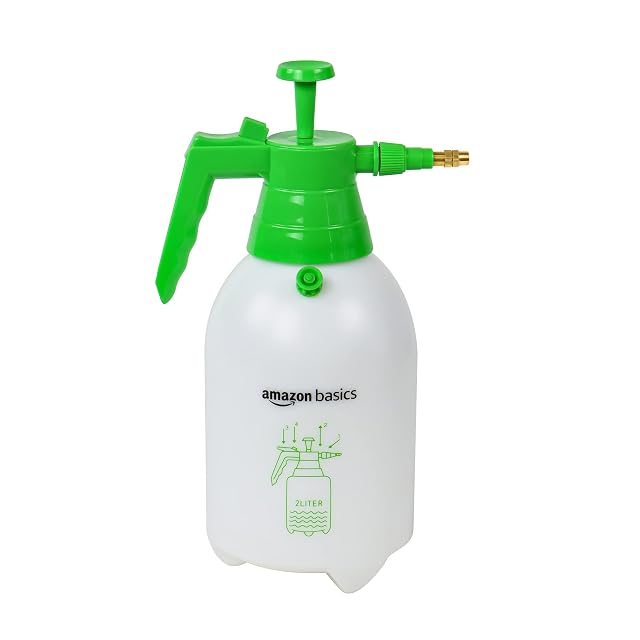
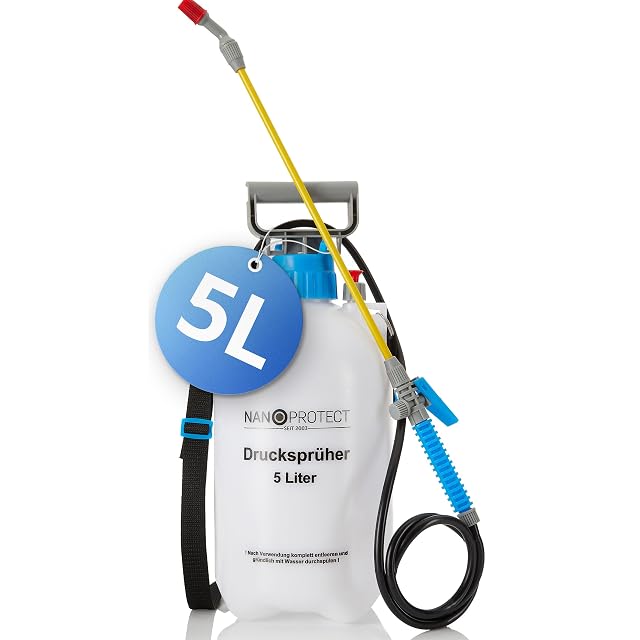
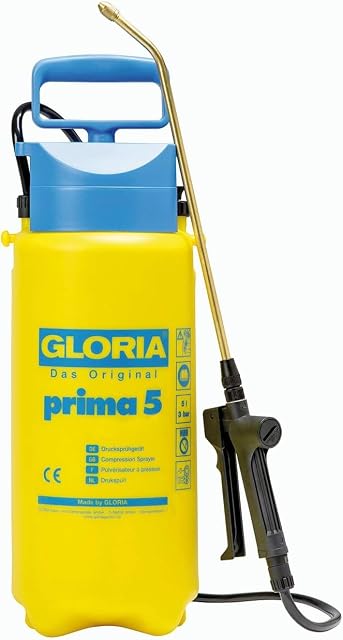
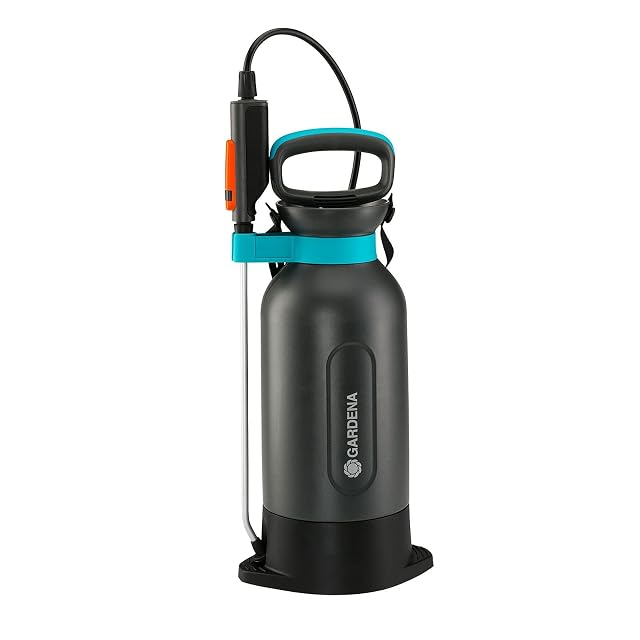
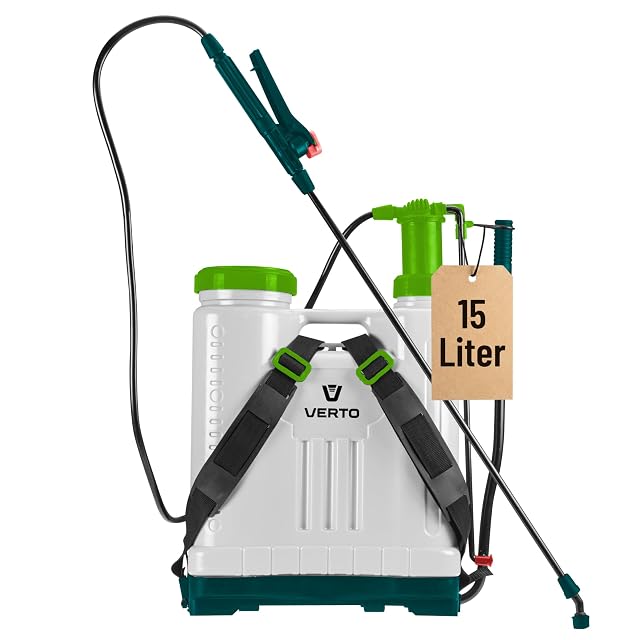
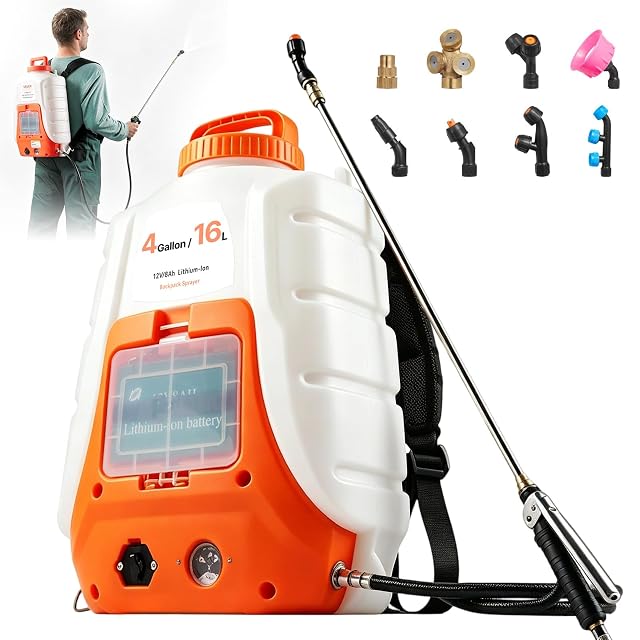
A pressure sprayer is a tank, a hand pump and a lance, and on a lawn it is how a liquid feed, a moss treatment or a spot weedkiller actually reaches the grass. That is worth saying plainly, because this site never prescribes a dose: what the label says goes in the tank, and this shelf is only about the tank. The volume is the first decision and the shelf runs 1,5, 2, 3 and 5 litres. A five-litre sprayer covers a small lawn in one fill and weighs five kilograms full, carried on a strap; a two-litre one is a one-handed tool for spot treatment. The pump is a piston in the lid on all of these, pumped twenty or thirty strokes to pressurise the tank, and the better ones hold pressure long enough to spray the whole tank without stopping. Then the detail that decides whether the sprayer survives its second season: the seals. Several listings here name an acid-resistant version explicitly, and the reason is that a sprayer used with a fertiliser solution and rinsed properly lasts years, while one left with residue in it seizes at the piston and perishes at the O-rings. The lance and its nozzle — brass or plastic, adjustable from cone to jet — decide how even the application is, and an adjustable brass nozzle is the single upgrade worth paying for. Finally the pressure release valve, which lets the tank be opened safely and which is a safety part rather than a convenience. We compare volume, pump, lance, seals and release valve.