Working width and working depth, and they pull against each other
The best garden tillers for 2026
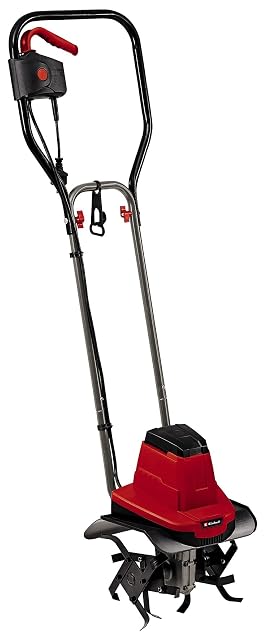
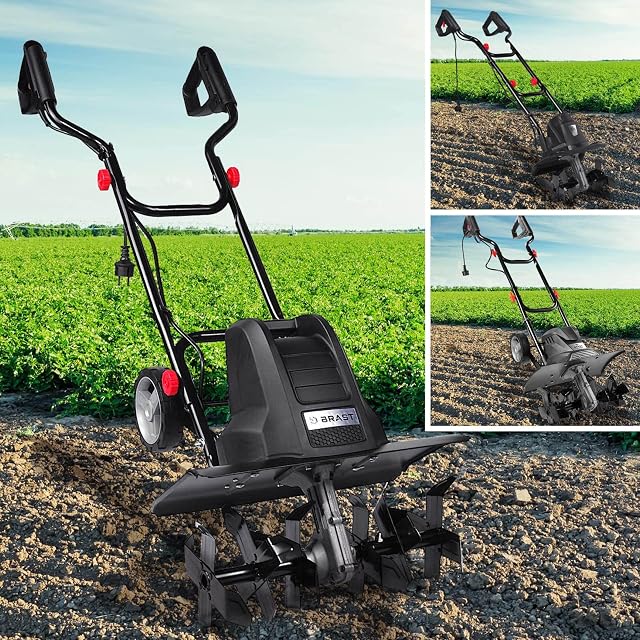
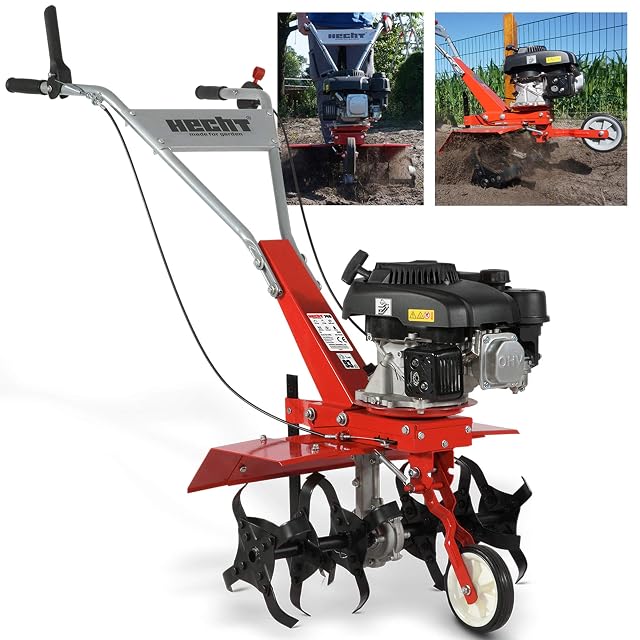
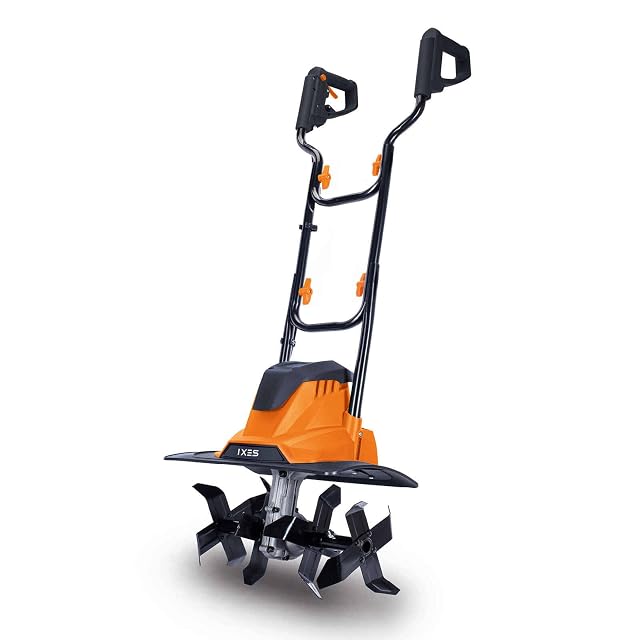
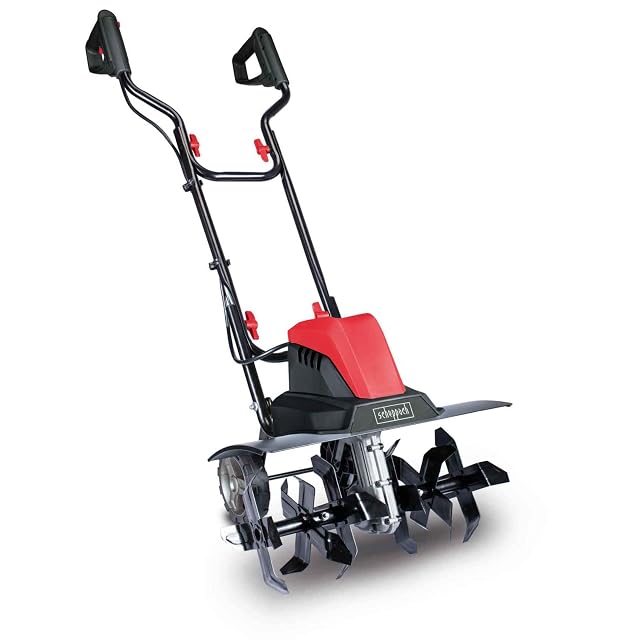
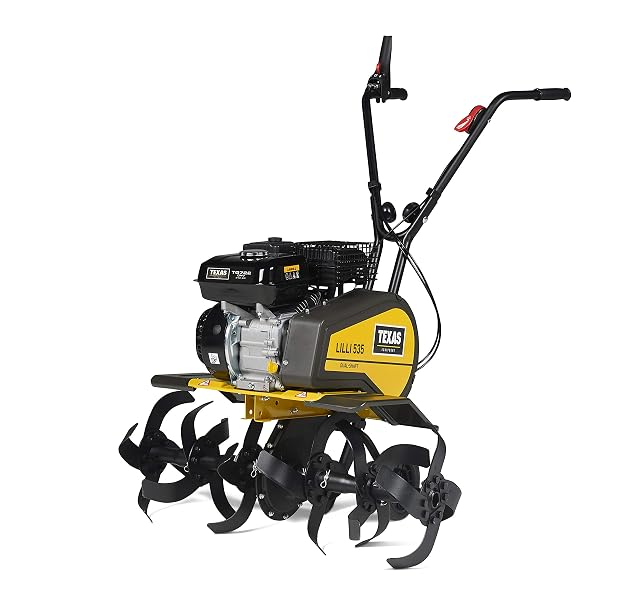
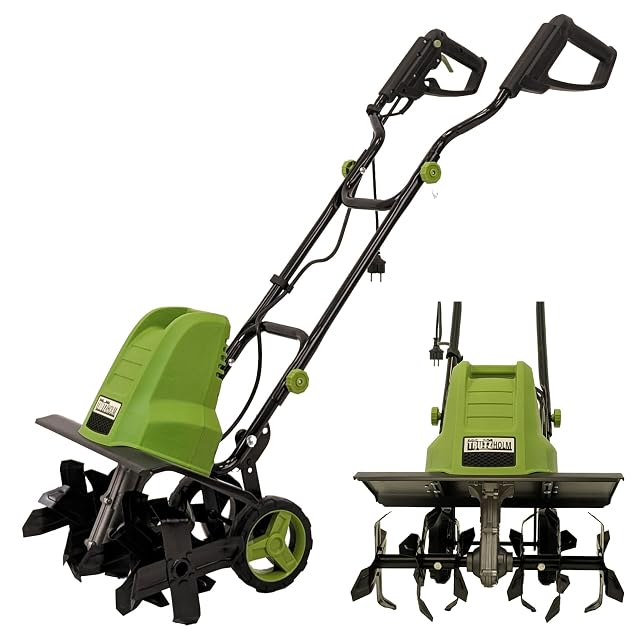
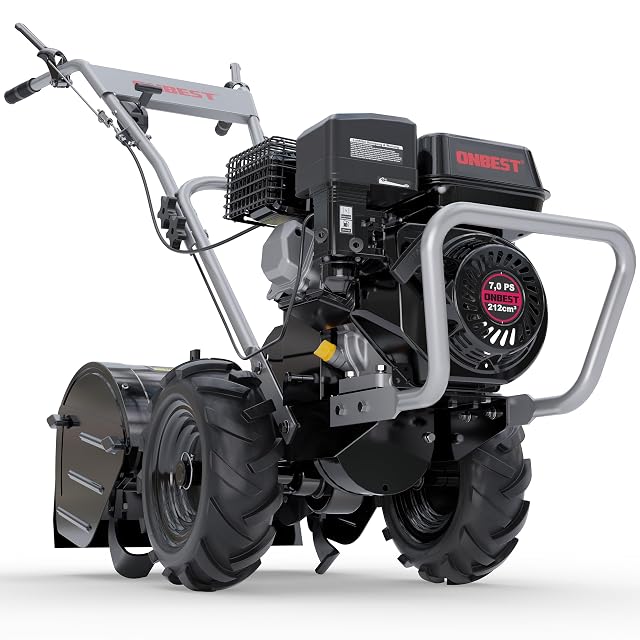
A tiller breaks soil with rotating tines, and it is the machine a lawn needs at its two extremes: before it exists, when a bed is being turned into turf, and after it fails, when a patch has to be dug over and reseeded. The shelf splits cleanly by power source. Corded electric machines run 750 to 1 800 W and are the ones most gardens actually want: light enough to carry, quiet enough to use on a Saturday, and adequate for soil that has been cultivated before. Petrol machines on the same shelf run 1,9 to 5,15 kW and exist for ground that has not. Between them sits one cordless model on a 36 V platform, sold bare. Two figures describe what the machine does and they pull against each other. The working width runs 25 to 85 cm across this shelf, and wider is faster only if the engine can turn the tines through the soil. The working depth runs 20 to 22 cm on the electric machines, and deeper is harder: a 45 cm machine set to full depth in clay will walk backwards, which is why several of these publish both figures and a few publish only the flattering one. The tines are counted and sometimes described — four, six, or a set that can be removed in pairs to narrow the cut — and removing a pair is the standard trick for getting depth out of a machine that has width. Then the detail that decides whether the machine is bearable to own: the transport wheels, which lift the tines clear so the thing can be moved without being dragged. We compare working width, working depth, power source, tines and transport wheels, and weight.