Garden machinery is compared and regulated on a guaranteed sound power level in decibels.
This site has surveyed seven petrol mowers, nine corded mowers, nine cordless mowers, nine
scarifiers, nine shredders, nine blowers and nine robots.
Almost none of them publishes one.
One corded mower publishes 96 dB. One shredder publishes 92 dB(A). One blower publishes
99 dB(A). Two robots publish figures under 55 and 58 dB. Everything else on those shelves is
silent about it, including every petrol mower surveyed.
So a guide to quiet mowing cannot be assembled by sorting a column. It has to be assembled
from what the machines are.
The two that have no motor
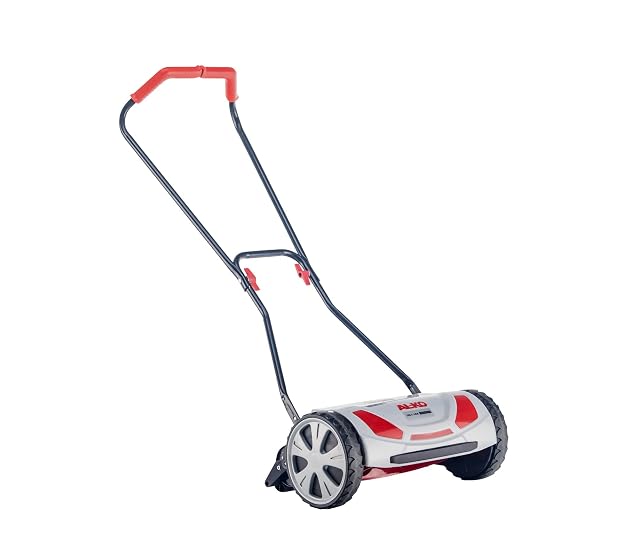
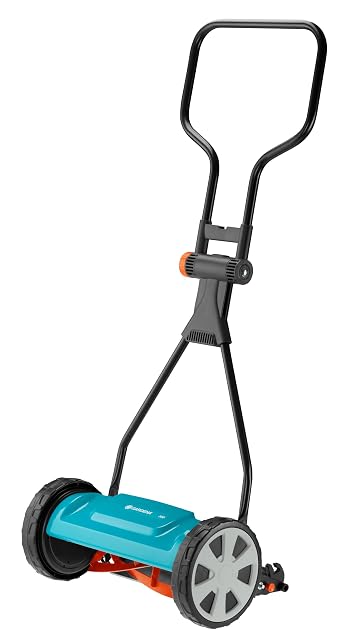
The first two picks are cylinder mowers, and they are the answer to this question in the
same way a bicycle is the answer to a question about emissions.
There is no engine. The cylinder is turned by the wheels, and the cut is a scissor action
between the moving blades and a fixed bar. The only sounds are steel passing steel and rubber
on grass.
One of them publishes something better than a decibel figure: a non-contact cut.
That is worth explaining, because it is the difference between a quiet cylinder mower and an
irritating one. A traditional cylinder mower is set so the blades touch the bottom blade,
and a correctly set one makes a soft ringing sound and cuts like scissors. Set slightly wrong,
it rattles, it drags, and it blunts itself.
A non-contact cylinder is set with a small clearance. It never touches, so it never needs
adjusting and it does not sing — and the cut relies on the grass being stiff enough to be
sheared against the bar rather than pinched.
Both are quiet. One needs setting and one does not.
And the condition they come with
The grass must already be short.
A cylinder traps a blade of grass between the moving cylinder and the fixed bar. Grass that
has grown past about six centimetres folds over and is pushed flat instead.
So these suit a lawn cut weekly, and they are useless on one rescued monthly. Both of
these publish a stated area — 250 m² and an unstated one — and the real limit is patience
rather than mechanics.
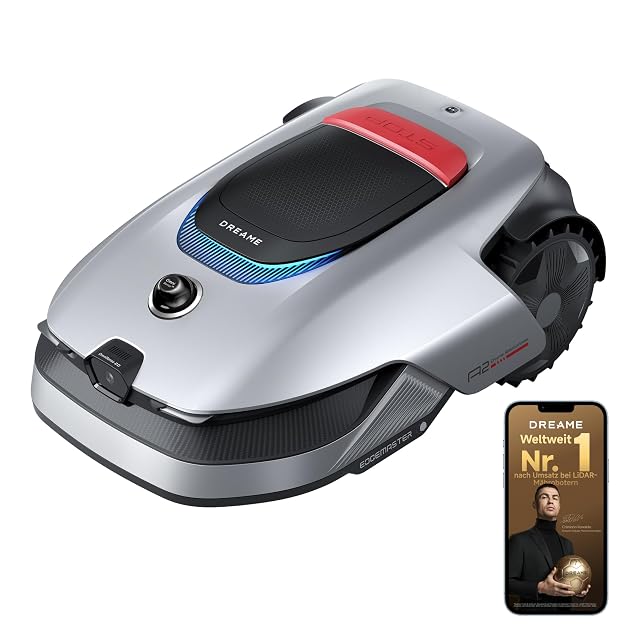
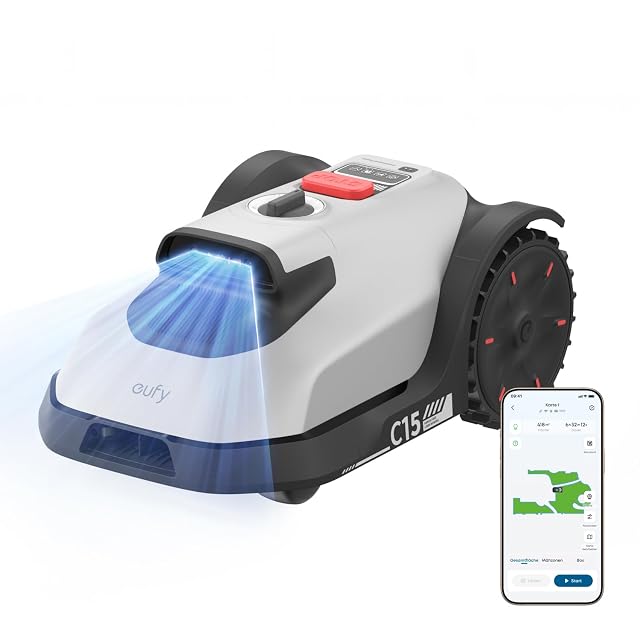
Under 55 dB on one. 58 dB stated on the other.
Those are the only mower noise figures in this whole network, and they are low — roughly
conversational speech at a metre.
And there is a mechanical reason a robot is quiet that has nothing to do with its motor
being small.
A robot cuts a little, often. It removes two or three millimetres from grass that is
already at its target height, every day or two. The blade is barely loaded, so the motor is
barely working.
A rotary mower cuts a week’s growth in one pass. It is removing several centimetres of wet
dense material, at full load, which is where the noise comes from — most of it is the blade
moving air and the clippings striking the deck, not the motor.
That is also why a robot can run at seven in the morning without anybody noticing, and it is
the honest argument for one on a lawn surrounded by neighbours.
The two cordless mowers, and the honest limit of the claim
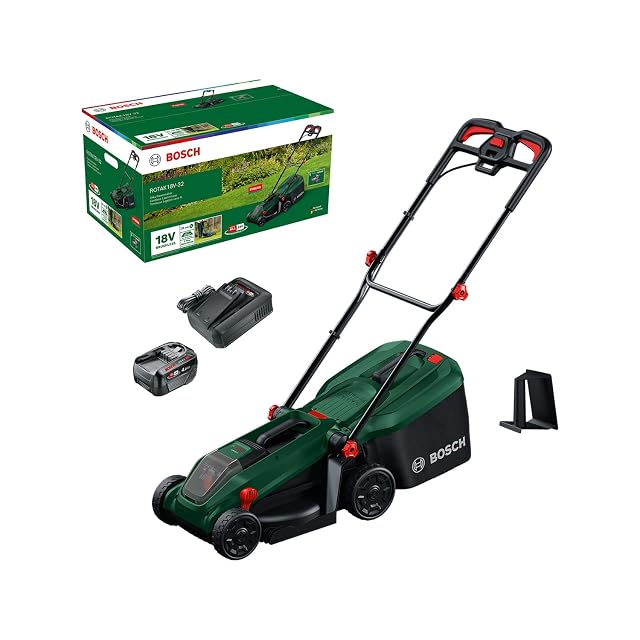
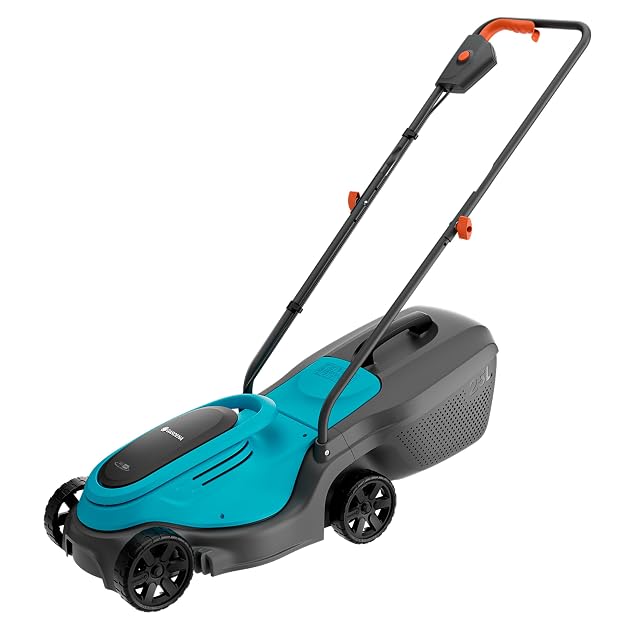
The last two picks are battery mowers at 30 and 32 cm, both supplied with a pack and a
charger.
What a battery removes is the petrol engine, and that is the loud part — by a large
margin, and neither of the petrol mowers this site has surveyed publishes a figure to prove
it.
What a battery does not remove is everything else: a spinning blade moving air, clippings
hitting a plastic deck, and the wheels. A cordless mower and a corded mower sound broadly
alike, and one corded mower on this site publishes 96 dB — which is not quiet.
So the claim to make for a cordless mower is precise: it is far quieter than petrol, no
quieter than mains, and it starts and stops instantly, which means it makes noise only while
it is cutting.
Which of the three approaches suits which lawn
Under about 150 m², cut weekly: a cylinder mower, and nothing else here comes close on
noise.
Any size, if you will let a machine do it: a robot, which is the only option that is both
quiet and unattended.
Everything else: cordless, and accept that quiet means quieter than petrol.